- 0
- 956 words
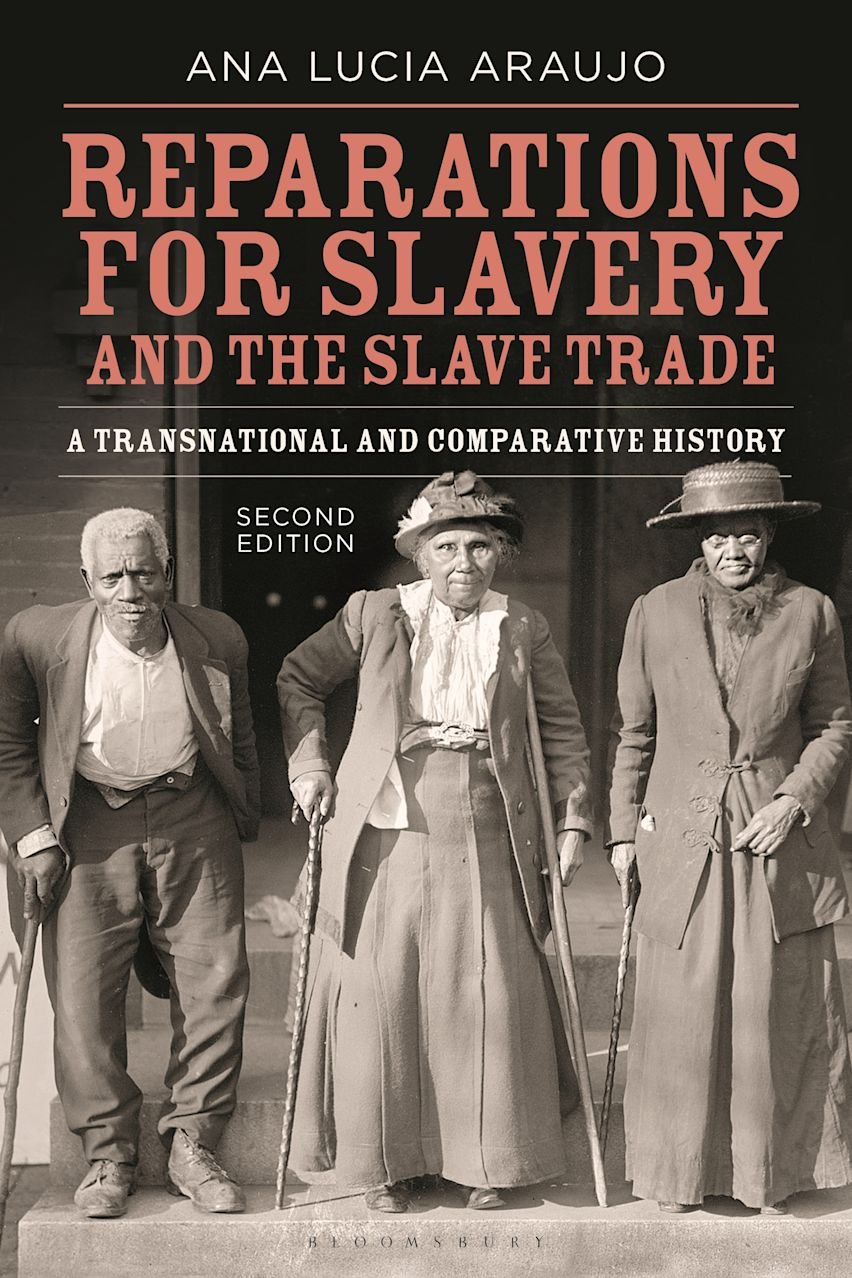
The United Kingdom’s role in the transatlantic slave trade has come under renewed scrutiny, with Jamaica petitioning the British monarch over the legality of the trade and a United Nations committee stating that governments are obliged by law to consider paying damages to the descendants of enslaved people.
This development is part of a broader push for countries to pay for their roles in the transatlantic slave trade and hundreds of years of slavery, with momentum building in recent months. In March, a UN resolution said the claims represent a step towards a remedy for the descendants of enslaved people, although most Western countries abstained from the vote, and the United States opposed it.
- Jamaica’s campaign for reparations from the UK is part of a broader push for countries to pay for their roles in the transatlantic slave trade.
- A UN committee has stated that governments are obliged by law to consider paying damages to the descendants of enslaved people.
- African and Caribbean nations have put together a plan for reparatory justice, which would include debt relief and other support for African nations.
Jamaica’s Petition to the British Monarch
Jamaica’s petition to the British monarch is a significant step in the country’s campaign for reparations from the UK. The petition raises questions about the legality of the transatlantic slave trade and the UK’s role in it. “The UK has a moral and legal obligation to redress the harms of slavery,” said Hilary Beckles, vice-chancellor of the University of the West Indies and chairman of the Caribbean Community and Common Market (CARICOM) Reparations Commission.
UN Committee’s Statement on Reparations
The UN committee’s statement on reparations is a significant development in the push for countries to pay for their roles in the transatlantic slave trade. The statement says that governments are obliged by law to consider paying damages to the descendants of enslaved people. “This is a major step forward in the campaign for reparations,” said Patrick Vernon, British historian and social commentator. “It recognizes the harm that was done to enslaved people and their descendants and acknowledges the need for redress.”
Implications of the UK’s Legal Obligation
The implications of the UK’s legal obligation to redress the harms of slavery are significant. If the UK is found to have a legal obligation to pay reparations, it could set a precedent for other countries to follow. “This could be a game-changer for the campaign for reparations,” said Lawrence Goldman, emeritus fellow in history at St Peter’s College, University of Oxford. “It could lead to a significant shift in the way that countries approach the issue of slavery and its legacy.”
Future of Reparations Campaign
The future of the reparations campaign is uncertain, but momentum is building. African and Caribbean nations have put together a plan for reparatory justice, which would include debt relief and other support for African nations. The campaign is also gaining support from other countries, with some governments acknowledging their role in the transatlantic slave trade and expressing a willingness to pay reparations. For more information on this topic, visit Watan News.
Conclusion
In conclusion, the UK’s legal obligation to redress the harms of slavery is a complex and contentious issue. While some argue that the UK has a moral and legal obligation to pay reparations, others argue that the issue is more nuanced and requires a more detailed examination of the historical context. As the campaign for reparations continues to gain momentum, it is likely that the issue will remain a major topic of debate in the coming months and years.
FAQs
Q1: What is the background to Jamaica’s petition to the British monarch?
A1: Jamaica’s petition to the British monarch is part of a broader push for countries to pay for their roles in the transatlantic slave trade and hundreds of years of slavery. The petition raises questions about the legality of the transatlantic slave trade and the UK’s role in it.
Q2: What does the UN committee’s statement on reparations mean for the campaign for reparations?
A2: The UN committee’s statement on reparations is a significant development in the push for countries to pay for their roles in the transatlantic slave trade. The statement says that governments are obliged by law to consider paying damages to the descendants of enslaved people, which could set a precedent for other countries to follow.
Q3: Who are the key figures involved in the campaign for reparations?
A3: The key figures involved in the campaign for reparations include Hilary Beckles, vice-chancellor of the University of the West Indies and chairman of the Caribbean Community and Common Market (CARICOM) Reparations Commission, Patrick Vernon, British historian and social commentator, and Lawrence Goldman, emeritus fellow in history at St Peter’s College, University of Oxford.
Q4: What are the implications of the UK’s legal obligation to redress the harms of slavery?
A4: The implications of the UK’s legal obligation to redress the harms of slavery are significant. If the UK is found to have a legal obligation to pay reparations, it could set a precedent for other countries to follow, leading to a significant shift in the way that countries approach the issue of slavery and its legacy.
Q5: What is the future of the reparations campaign?
A5: The future of the reparations campaign is uncertain, but momentum is building. African and Caribbean nations have put together a plan for reparatory justice, which would include debt relief and other support for African nations. The campaign is also gaining support from other countries, with some governments acknowledging their role in the transatlantic slave trade and expressing a willingness to pay reparations.
Author

usmanjaved13132@gmail.com
Related Posts
Deadly Clashes Erupt Along Sudan-South Sudan Border, Killing at Least 26
- 0
- 503 words
At least 26 people have been killed and 82 others injured in days of intercommunal fighting in a disputed region on the...
Read out all
Foreign Secretary Holds Farewell Interaction with Diplomatic Corps
- 0
- 587 words
Pakistan’s Foreign Secretary, Sohail Mahmood, held a farewell interaction with the diplomatic corps at the Foreign Office in Islamabad, marking the end...
Read out all
COP31 presidency and OECD announce Paris partnership on climate finance and delivery
- 0
- 504 words
President-Designate Murat Kurum frames climate finance as strategic security at OECD headquarters, cites Türkiye’s SURFF urban-resilience facility as an implementation bridge, and...
Read out all
Federal Urdu University launches beginner Russian language course
- 0
- 488 words
The Federal Urdu University of Arts, Science and Technology (FUUAST) has launched a beginner Russian language course. The one month course has...
Read out all
US House passes sweeping Russia sanctions bill, sending it to Trump
- 0
- 684 words
The US House of Representatives on Wednesday approved a sweeping package of sanctions aimed at squeezing Russia’s war economy, sending the legislation...
Read out all
Morocco’s 2026 Election: A Test of Political Trust and Engagement
- 0
- 532 words
Morocco’s 2026 parliamentary election is set to take place on September 23, with 27 political parties vying for 395 seats in the...
Read out all